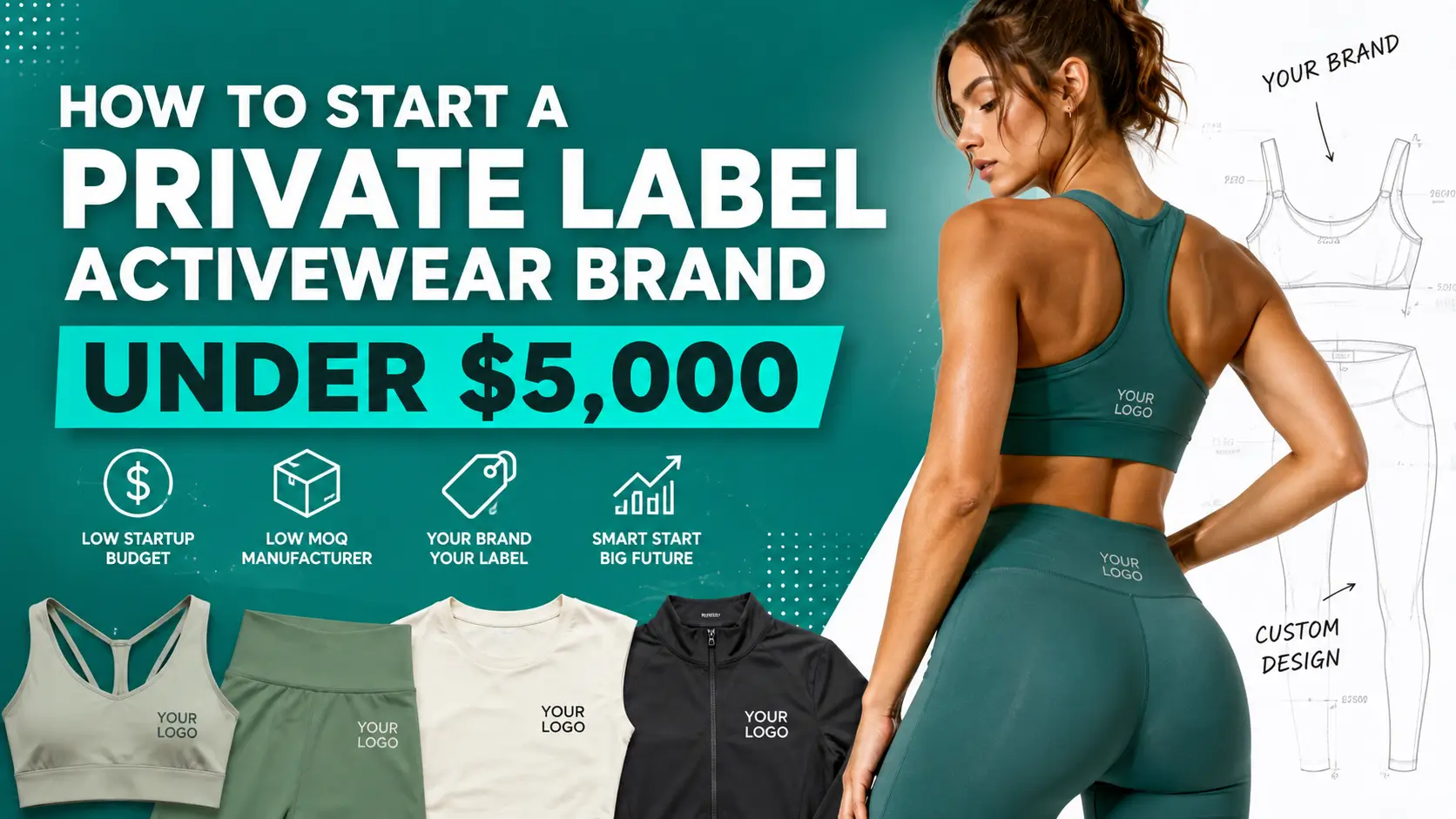
How to Create a Private Label Activewear Brand Under $5,000
Learn how to select profitable products, control inventory, build your branding,
choose a reliable manufacturer and launch a professional activewear collection
without exceeding a $5,000 startup budget.
Starting an activewear brand can appear expensive. Product samples, inventory,
labels, photography, packaging, shipping and marketing can quickly consume a new
business owner’s budget.
However, you do not need dozens of products or a large warehouse to enter the
market. A focused private-label strategy allows you to launch a small collection,
test demand and increase your order quantity only after identifying your
best-selling products.
The goal of your first launch is not to look like the largest activewear brand.
It is to introduce a clear brand concept, attract your first customers and collect
enough real data to make better inventory decisions.
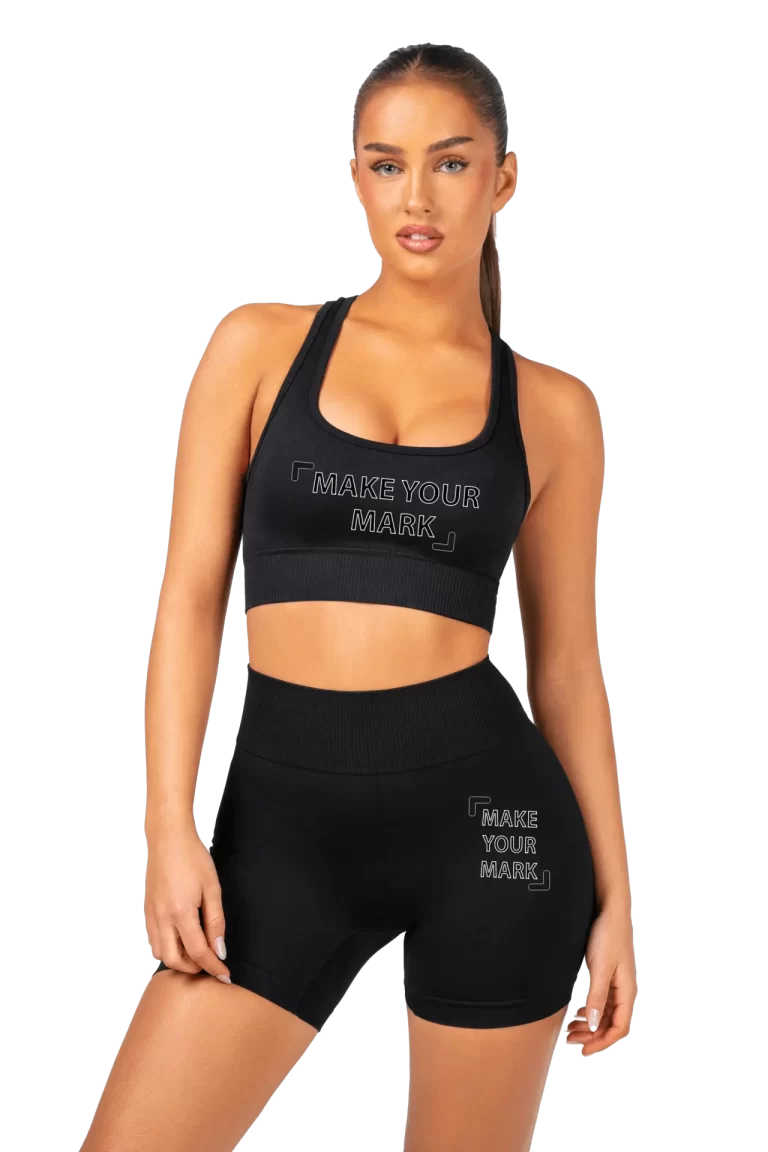
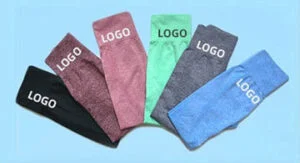
Example of customized activewear featuring brand logo placement.
What Is Private Label Activewear?
Private label activewear is apparel manufactured by an experienced supplier and
sold under your own brand name. You can select existing products and customize
them with elements such as your logo, labels, colors, hang tags and packaging.
This approach is usually more affordable than developing every garment from the
beginning. It can also shorten the time between selecting a product and launching
it in your online store.
For a deeper explanation, read Bokamoda’s guide to
private label activewear and custom wholesale designs
.
Lower Initial Risk
Test a limited quantity before investing in a larger production order.
Faster Launch
Use proven styles instead of waiting for lengthy product development.
Professional Branding
Add your logo, labels, tags and packaging to create a consistent identity.
Easier Scaling
Reorder successful products and gradually introduce new styles.
1. Define a Specific Activewear Customer
A brand designed for everyone is difficult to market. Begin by choosing one
recognizable customer group and one primary product need.
- Women who need supportive gym apparel
- Yoga and Pilates customers who prefer soft, flexible fabrics
- Customers looking for modest activewear
- Plus-size shoppers seeking comfortable performance clothing
- Running enthusiasts who need lightweight, quick-drying products
- Customers seeking fashionable athleisure for everyday use
Write a short profile of your ideal customer. Include their age range, preferred
activity, typical budget, favorite colors, sizing needs and the social platforms
they use.
2. Start With a Small, Coordinated Collection
Every additional product, color and size creates another inventory unit. Launching
too many variations can leave a startup with money trapped in slow-selling stock.
A practical first collection may contain four to six coordinated products:
- High-waisted leggings
- Matching sports bra
- Workout or biker shorts
- Long-sleeve crop top
- Oversized gym T-shirt
- Lightweight training jacket
Best practice: Choose one hero product and build the remaining
collection around it. Matching products can increase average order value without
making the collection feel disconnected.
3. Choose a Low-MOQ Activewear Manufacturer
MOQ means minimum order quantity. A low or flexible MOQ allows a new brand to
purchase fewer units while testing its market.
Before placing an order, compare the manufacturer’s product quality, sample
policy, customization options, communication, production time, quality control
and shipping support.
Bokamoda explains this startup model in its guide about the
advantages of working with a no-MOQ activewear manufacturer
.
You can also review the checklist for
choosing the right activewear manufacturer
.
Questions to Ask a Potential Supplier
- Can I order samples before confirming inventory?
- What is the MOQ per style, color and size?
- Which logo methods are available?
- Can you produce custom labels, tags and packaging?
- What is included in the quoted price?
- How is product quality inspected before shipment?
- What are the estimated production and shipping times?
- Can you maintain consistent colors and sizing for repeat orders?
4. Test Samples Before Buying Inventory
Never approve a production order based only on website photos. Physical samples
allow you to examine the features that directly affect customer satisfaction.
- Fabric softness and weight
- Stretch and shape recovery
- Opacity during bending and squatting
- Stitching and seam strength
- Waistband support
- Size accuracy and fit
- Logo position and durability
- Colorfastness after washing
The sampling and production workflow is explained further in Bokamoda’s article
about the
activewear sourcing process from design to delivery
.
5. Choose Fabrics Based on Product Use
The most expensive fabric is not automatically the best fabric. Select material
according to the intended activity, desired support, customer expectations and
selling price.
| Fabric | Suitable Products | Main Benefits |
|---|---|---|
| Nylon and spandex | Leggings, sports bras and premium sets | Soft hand feel, stretch and smooth appearance |
| Polyester and spandex | Running tops and printed performance wear | Quick drying, durability and color retention |
| Seamless knit | Leggings, shorts, bras and crop tops | Flexible, body-contouring construction |
| Cotton blend | T-shirts, hoodies and casual athleisure | Comfortable and familiar everyday feel |
6. Keep Your Branding Simple but Consistent
A strong first collection does not require every possible customization. Begin
with the elements that customers will notice most:
- A clear and recognizable logo
- Consistent logo position across products
- Accurate size and care labels
- Branded hang tags
- Clean and protective packaging
- A consistent website and social media style
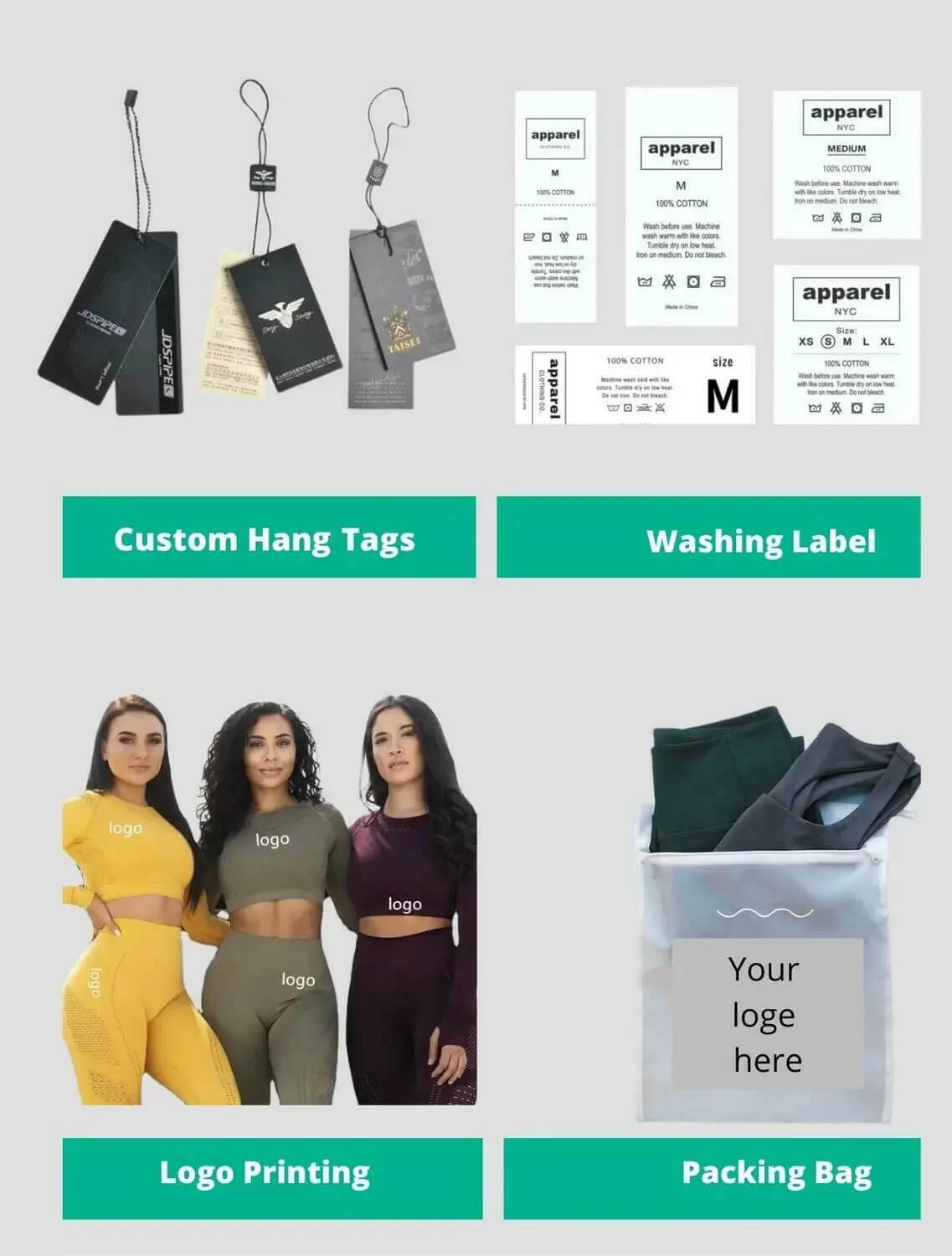
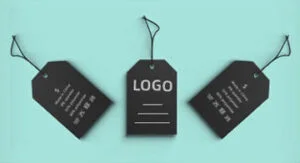
Examples of private-label logo printing, washing labels, hang tags and packaging.
See additional logo, label and packaging examples on the
Bokamoda activewear customization page
.
7. Example Startup Budget Under $5,000
Your final cost will depend on product quantity, customization, destination and
shipping method. The following example reserves most of the budget for products
while still leaving money for branding and customer acquisition.
Example Allocation of a $5,000 Budget
Inventory
$2,200
Marketing
$700
Samples
$500
Shipping
$500
Photography
$400
Website
$300
Branding
$200
Reserve
$200
| Expense | Example Budget |
|---|---|
| Samples and testing | $500 |
| Initial inventory | $2,200 |
| Logo, labels and branding | $200 |
| Website and software | $300 |
| Photography and content | $400 |
| Launch marketing | $700 |
| Shipping and import costs | $500 |
| Emergency reserve | $200 |
| Total | $5,000 |
Important: This is a planning example, not a guaranteed quotation.
Request confirmed product, customization and shipping prices before committing
your full startup budget.
8. Create a Store That Builds Trust
Your website does not need complicated animations. It needs to answer the
questions that prevent customers from completing a purchase.
- What fabric is used?
- Is the product supportive or lightly compressive?
- Does the product fit true to size?
- Is the fabric suitable for intense exercise?
- How should the garment be washed?
- How long will delivery take?
- Can the customer return or exchange the item?
Each product page should include front, back, side and detail images, an accurate
size chart, fabric composition, care instructions, shipping information and a
clear return policy.
9. Launch Before Spending Heavily on Advertising
Build an audience while your samples and inventory are being prepared. Share the
development process instead of waiting until launch day to begin marketing.
- Post sample unboxings and honest fit tests
- Show fabric stretch and opacity demonstrations
- Explain why you created the brand
- Ask followers to vote on colors and product names
- Build an email waiting list
- Work with relevant micro-influencers or fitness trainers
- Collect user-generated photos from early customers
For more launch planning ideas, read the
complete Bokamoda guide to launching an activewear brand
.
10. Scale According to Sales Data
After launching, track which products, sizes and colors sell first. Also record
return reasons, customer questions and repeated product requests.
Reorder successful items before adding many new products. One dependable
best-seller can be more valuable than a large collection containing slow-moving
inventory.
Common Mistakes to Avoid
- Ordering too many styles during the first production run
- Choosing products based only on the lowest price
- Skipping physical samples
- Using inaccurate size charts
- Spending the entire budget on inventory
- Ignoring shipping and import expenses
- Copying competitors without creating a clear brand position
- Launching without a content or email marketing plan
Frequently Asked Questions
Can I really start an activewear brand for under $5,000?
Yes, provided that you control the number of products, colors and sizes,
work with flexible order quantities and reserve part of the budget for
shipping and marketing.
How many products should I launch first?
Four to six coordinated products are enough for many startup collections.
Begin with a hero product and add complementary items.
Do I need fully custom clothing designs?
No. You can begin with existing private-label products customized with your
logo, labels, tags and packaging. Fully custom development can be introduced
after validating customer demand.
Should I order samples?
Yes. Samples allow you to check fit, fabric, stitching, opacity, color and
logo quality before committing to inventory.
Which activewear products are best for beginners?
Leggings, matching sports bras, workout shorts, oversized T-shirts and
coordinated workout sets are common starting points. The final selection
should match your target customer.
Final Thoughts
Creating a private label activewear brand under $5,000 is possible when you stay
focused. Choose a specific customer, launch a small coordinated collection, test
samples carefully and avoid purchasing more inventory than your market can support.
Treat the first launch as both a sales opportunity and a learning process. Use
customer feedback and sales data to improve your products, strengthen your
branding and make smarter repeat orders.
Start Your Private Label Activewear Collection
Bokamoda supports startups, fitness studios, retailers and established brands
with activewear sourcing, logo customization, private labels, branded packaging
and worldwide shipping.